Flip The Script: Miscast With Purpose

A Night of Music, Joy, and Mental Health Advocacy

Join us for our 3rd Annual Utah Broadway cabaret, “Flip The Script: Miscast With Purpose”, featuring incredible local talent, supporting BIPOC mental health initiatives and Suicide Prevention Month.

Date: Saturday, September 19
Time: 7:30 p.m. – 9:30 p.m.
Location: West Valley Performing Arts Center, 3333 S Decker Lake Dr, West Valley City, UT 

  • Adults: $17.50 early bird (reg. $24.50)
  • Children: $7.00 early bird (reg. $15.00)


Early bird pricing ends August 31!

Come for the show, stay for the cause. Let’s make mental health accessible and inclusive together!

Interested in being a sponsor? Check out our sponsorship options and submit sponsorship.
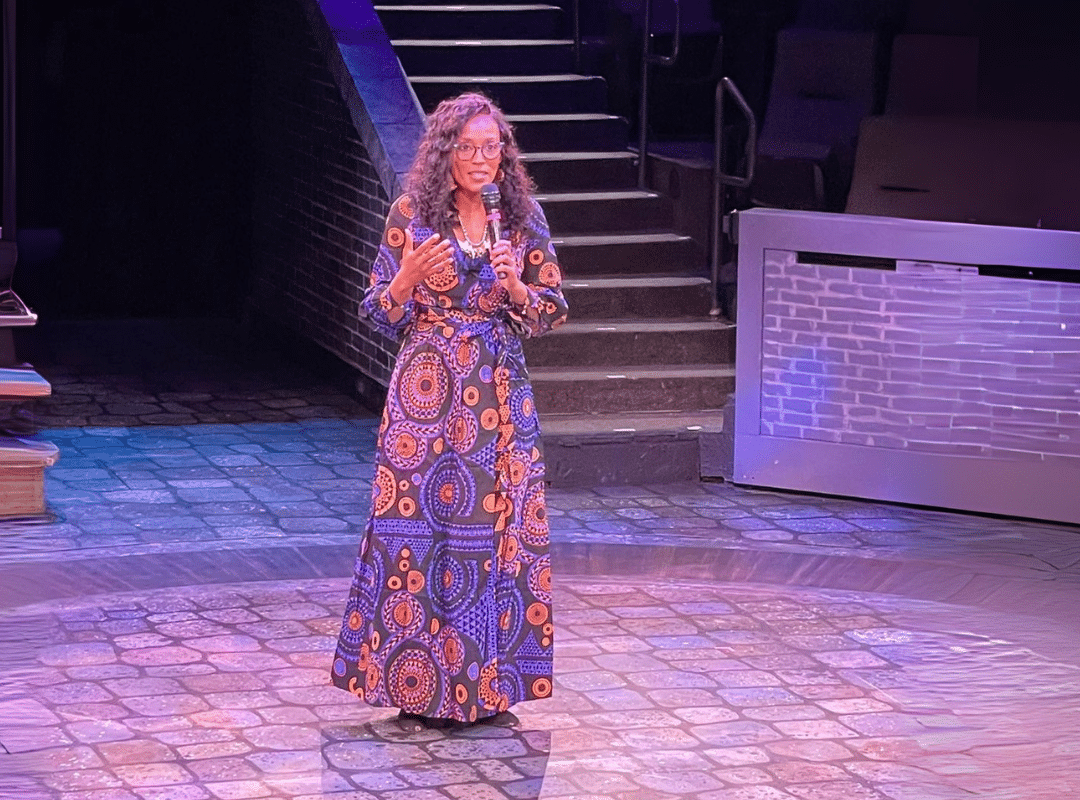
Event organizer, Dr. Kimberly Applewhite

Funds raised go toward these Utah BIPOC mental health initiatives

Help us reach our goal of $5,000 for each of these amazing organizations! Extra funds raised will go toward UCEBT’s pro bono services.

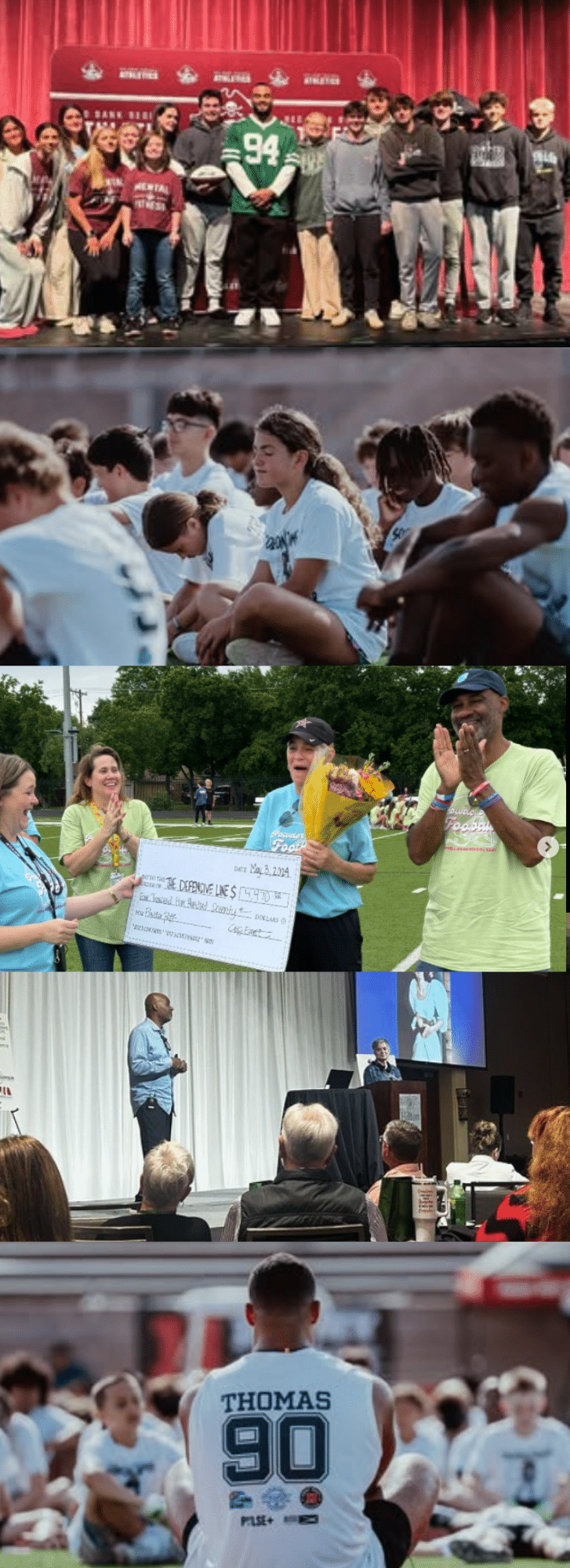
The Defensive Line

The Defensive Line is a nonprofit focused on preventing youth suicide by helping adults in schools build stronger, more human connections with young people.

Through trainings, storytelling, and system-level support, The Defensive Line equips educators and staff with the language, awareness, and confidence to talk about suicide, recognize warning signs, and connect students to resources, shifting schools from reactive crisis response to proactive, community-wide prevention grounded in shared humanity and hope.

Be Better Utah’s Client Access Program (CAP) bridges the gap between individuals seeking care and providers ready to serve them.

  • They fund therapy sessions directly, reducing financial barriers.
  • They connect clients with providers based on their needs and preferences.
  • They support therapists with fair compensation to increase availability of care.
  • They reduce reliance on insurance limitations, expanding options for clients

This model creates a more responsive, flexible system; one that works for both clients and providers.

Statistics on BIPOC Mental Health

Each of the organizations we’re supporting plays a vital role in improving mental health in BIPOC communities that face unique challenges. These statistics show why their work matters.

Immigrants and Refugees
  • Family separation significantly contributes to depression, anxiety, PTSD, and poorer psychological quality of life in refugees (Miller et al., 2018)
  • Children separated from their parents are 3x more likely to experience serious emotional and behavioral issues, many of which persist even two years after reunification. (Edyburn & Meeks, 2021; Lu et al., 2020; Miller et al., 2018; Ornelas et al., 2020)
  • The Physicians for Human Rights and Bellevue/NYU Program for Survivors of Torture (2003) found that among detained asylum seekers, 86% reported symptoms of depression, 77% anxiety, and 50% PTSD.
  • Detention is linked to high rates of mental health problems—including self-harm and suicidal ideation—across adults, adolescents, and children, during and after release (Filges et al., 2024; von Werthern et al., 2018).
  • 40% of AAPI LGBTQ youth seriously considered suicide in 2021, including 50% of AAPI transgender and nonbinary youth and 49% of Pacific Islander/Native Hawaiian LGBTQ youth
  • 16% of AAPI LGBTQ youth reported a suicide attempt in 2021, including 21% of AAPI transgender and nonbinary youth and 20% of Pacific Islander/Native Hawaiian LGBTQ youth
  • 54% of AAPI LGBTQ youth reported discrimination based on their race/ethnicity in the past year
  • 63% of AAPI transgender and nonbinary youth reported discrimination based on their gender identity
  • 17% of AAPI LGBTQ youth reported that they had been physically threatened or harmed due to their LGBTQ identity in the past year

This data is from The Trevor Project’s 2021 National Survey on LGBTQ Youth Mental Health

Workforce Diversity & Representation

  • Most behavioral health providers are non-Hispanic White women (HRSA, 2024).
  • In 2015, 86% of psychologists were White; only 5% were Hispanic, 4% Black, 5% Asian (APA).
  • Just 5.5% of psychologists speak Spanish (APA, 2015).
  • 96% of therapists regularly serve White clients, vs. 38% Black and 34% Hispanic (APA).


Education & Pipeline Disparities

  • Black and Hispanic students are underrepresented in psychology doctoral programs compared to their population share (Callahan, 2018).
  • In 2018, 12% of psych majors were Black, but only 7.1% enrolled in doctoral programs (Luebbe, 2018).
  • High debt is a barrier: grad students anticipate over $140k in student loans (APA, 2021).


Access & Cultural Mismatch

  • Over 122 million Americans live in Mental Health Professional Shortage Areas (HRSA, 2024).
  • Asian (55%) and Black (46%) adults report difficulty finding culturally responsive providers, vs. 38% of White adults (Panchal, 2024).
  • Hispanic adults are 60% less likely to receive treatment than White adults (SAMHSA, 2023).
  • Black youth often avoid care due to stigma and systemic distrust (Rose et al., 2011; House Task Force, 2019).
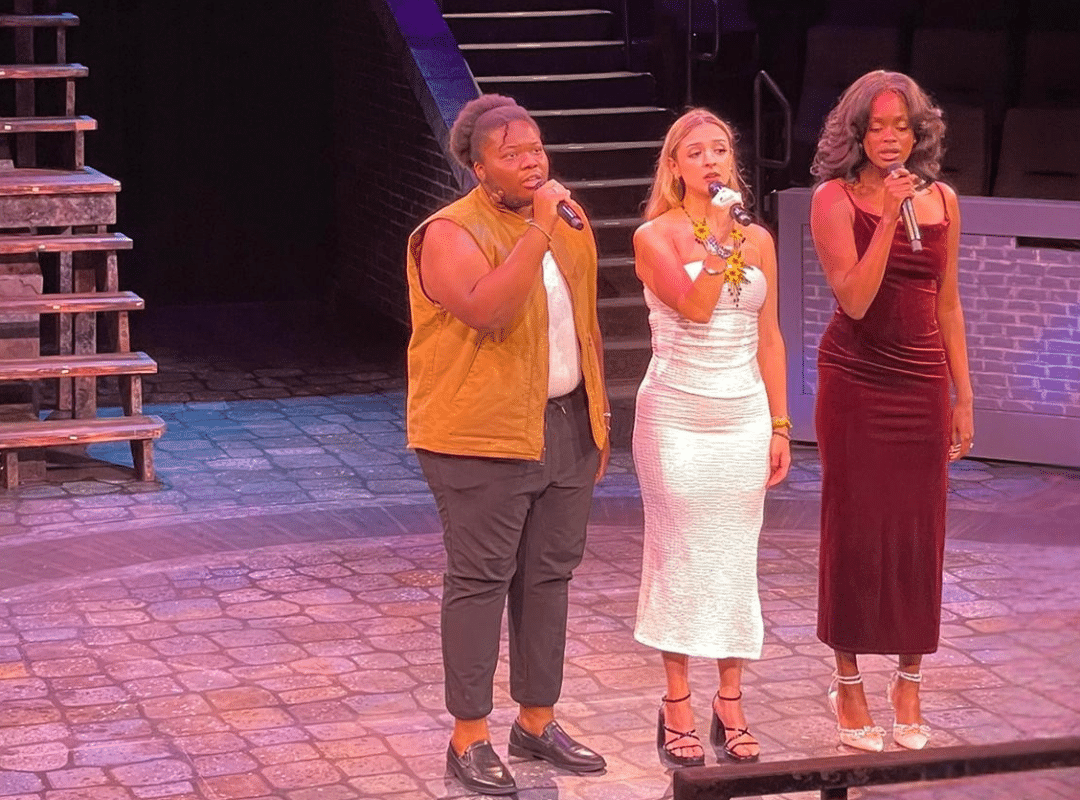
Local artists from the 2024 event
West Valley Performing Arts Center

Contact Information

If you have questions about this event or are interested in being a sponsor, please email events@ucebt.com

If you have questions regarding ticketing, parking, of the venue, please call West Valley Performing Arts Center at (801) 965-5141 

Interested in being a sponsor? Check out our sponsorship options!

Join Us in Flipping the Script!

Join us in funding local mental health programs and creating lasting change. Be part of a night that uplifts voices, celebrates joy, and supports real solutions.