Psychedelic Assisted Therapy (PAT)

This section of our website was reviewed by Dr. Michelle Ertl and shares information from her position as a Licensed Natural Medicine Clinical Facilitator in the state of Colorado through the Natural Medicine Health Act.  This content is for educational purposes only. It does not constitute medical, legal, or mental health advice and does not promote or facilitate illegal activity. 

This page offers evidence-based answers to common questions about Psychedelic Assisted Therapy, specifically psilocybin, and its potential role in mental health care, particularly in the context of Colorado’s Natural Medicine Program. You’ll find helpful FAQs and resources to support both curious individuals and healthcare providers.

The Utah Center for Evidence Based Treatment does not provide Psychedelic Assisted Therapy. Please see below for details.
What we offer

Dr. Michelle Ertl is a licensed facilitator in Colorado for psilocybin-assisted therapy. At UCEBT, she is scheduling free consults and preparation sessions if this approach is a good fit for clients.

She can then work with clients to receive legal psilocybin services at licensed healing centers in Colorado. She is also happy to schedule consultations with providers who are wanting to learn more about how these services might look for their clients.

Frequently Asked Questions (FAQs)

What conditions does the research show it may treat?

Psilocybin-assisted therapy is researched as a potential treatment for a range of mental health conditions, especially those that have been resistant to traditional therapies. 
 
While Colorado’s regulated program does not require a diagnosis to access services, the research has primarily focused on people living with specific conditions. 
 
Conditions with the most evidence so far: 
 
1. Major Depressive Disorder (MDD) 
  • Multiple clinical trials (including at Johns Hopkins, NYU, and Imperial College London) show rapid and sustained reductions in depression symptoms after just one or two sessions. 
  • Psilocybin may help break persistent patterns of negative thinking. 
2. Treatment-Resistant Depression 
  • Psilocybin has shown promise for people who haven’t responded to medications or talk therapy. 
  • Some studies report benefits lasting weeks to months after treatment. 
3. End-of-Life Anxiety and Existential Distress 
  • In studies with people facing terminal illness, psilocybin has helped reduce fear of death, anxiety, and depression, often leading to a renewed sense of meaning. 
4. Post-Traumatic Stress Disorder (PTSD) 
  • While MDMA is more studied for PTSD, early research and anecdotal reports suggest psilocybin may help with emotional processing, trauma reconsolidation, and resilience. 
5. Addiction (Alcohol, Nicotine, and more) 
  • Psilocybin has shown strong results in helping people reduce or quit addictive behaviors, including alcohol misuse and smoking, often by shifting self-perception or providing emotional insight. 
 
Conditions Under Emerging Study: 
  • Obsessive-Compulsive Disorder (OCD) 
  • Eating disorders (especially anorexia nervosa) 
  • Bipolar II depression (carefully and with screening) 
  • Cluster headaches and migraines (less common, mostly anecdotal) 
 
Who should proceed with caution or avoid psilocybin? 
Psilocybin is not recommended for individuals with: 
  • A personal or family history of psychosis (e.g., schizophrenia) 
  • Active bipolar I disorder or mania 
  • Unstable or untreated mental health conditions that may worsen with altered states 
 
That’s why Colorado requires a licensed facilitator to conduct a health screening before any psilocybin session. 
 
Who can benefit, even without a diagnosis? 
In Colorado’s model, psilocybin services are also open to adults who are: 
  • Seeking personal growth, emotional healing, or spiritual insight 
  • Dealing with grief, anxiety, or life transitions 
  • Looking to break through stuck patterns or find deeper meaning 
 
While psilocybin is not a cure-all, research increasingly supports its potential, especially when combined with trained support and integration. Ongoing clinical trials are helping shape future standards of care. 
 
TL;DR: Research supports psilocybin for depression, anxiety, PTSD, addiction, and end-of-life distress. It may also help with personal growth. Not for those with psychotic or manic conditions. 

Who is psilocybin not for?

While psilocybin has shown therapeutic potential for many people, it is not safe or appropriate for everyone. In Colorado’s Natural Medicine Program, licensed facilitators are required by law to screen participants for physical and mental health risks before allowing access to regulated services. 
 
Here’s who psilocybin may not be appropriate for, based on clinical research and Colorado’s screening requirements. 
 
Psilocybin is generally not recommended for people with: 
 
A personal or family history of psychosis 
  • Includes conditions such as schizophrenia, schizoaffective disorder, or psychotic features in bipolar I disorder 
  • Psilocybin may increase the risk of triggering or worsening psychotic symptoms 
 
Bipolar I disorder 
  • The risk of manic or mixed episodes may be elevated after psychedelic use 
  • Some providers may cautiously consider psilocybin for Bipolar II, but only with strong clinical support 
 
Certain psychiatric medications 
  • Some medications (like lithium, MAOIs, or antipsychotics) may either reduce psilocybin’s effectiveness or create serious safety risks (e.g., seizures or serotonin syndrome) 
  • These must be disclosed and assessed during the required facilitator screening 
 
Unstable medical conditions 
  • Cardiovascular issues, epilepsy, or other health concerns may make psychedelic use physically risky 
  • Psilocybin can elevate heart rate and blood pressure temporarily 
 
Pregnancy or breastfeeding 
  • The effects of psilocybin on fetal or infant development are unknown 
  • Colorado strongly advises against use in these cases 
 
Psilocybin is also not appropriate for: 
  • Individuals in acute crisis, such as recent suicidal behavior or hospitalization 
  • Anyone unable to consent or communicate clearly during a session 
  • People seeking psilocybin for recreational purposes within the regulated program (Colorado’s legal model is therapeutic and supportive, not for casual use) 
 
Colorado’s protections 
In Colorado, facilitators must assess all of these factors during the preparation phase. If risks are identified, the facilitator may: 
  • Refer the participant to a clinical facilitator (a licensed mental health or medical professional), or 
  • Determine that psilocybin is not appropriate. 
 
Being “not a good fit” for psilocybin now doesn’t mean “never”. It means ensuring that the safest and most supportive conditions are in place before proceeding. 
 
TL;DR: Not recommended for people with psychosis risk, bipolar I disorder, certain meds, pregnancy, or unstable mental health. Screening is required to assess individual fit. 

What are the risks? What if there’s an emergency?

While psilocybin is considered low-risk physiologically, it can bring up strong psychological and emotional reactions. That’s why Colorado’s regulated model includes trained facilitators, required preparation, and safety protocols to reduce risks and ensure support if anything difficult or unexpected arises. 
 
What are the risks of psilocybin? 
 
Psychological or emotional risks: 
  • Distressing experiences (“challenging trips”) involving fear, confusion, or panic 
  • Reactivation of trauma or intense emotions during or after a session 
  • Potential to trigger or worsen symptoms in people with underlying psychiatric conditions, such as psychosis, bipolar disorder, or untreated PTSD 
  • Confusion or disorientation in the days following a session 
 
Medical risks (less common): 
  • Elevated heart rate and blood pressure during the session 
  • Nausea, dizziness, or body discomfort 
  • In rare cases, adverse interactions with certain medications (e.g., lithium, MAOIs, or certain antidepressants) 
 
Colorado law requires a full health and medication screening before your session to minimize these risks. 
 
What happens if there’s an emergency during a session? 
Colorado’s regulations require facilitators to be trained in: 
  • Recognizing signs of psychological distress or physical discomfort 
  • Grounding techniques and non-directive emotional support 
  • Knowing when and how to escalate to medical professionals, if needed 
 
In the case of a serious mental health or medical emergency: 
  • Facilitators are trained to contact emergency services (911) when appropriate 
  • All licensed service locations must have emergency protocols and support plans in place 
  • If needed, a clinical facilitator (someone with a healthcare or mental health license) may be brought in 
 
How Colorado reduces risks: 
  • Required preparation sessions and mental health screening 
  • Only licensed facilitators may guide sessions 
  • No group dosing unless all participants are individually assessed 
  • Clear consent policies for things like touch, communication, and follow-up care 
 
TL;DR: Risks include emotional distress, medical interactions, or psychological triggers. Colorado law requires trained facilitators, emergency protocols, and participant screening. 

How does psilocybin work?

Psilocybin is a naturally occurring psychedelic compound found in certain species of mushrooms. When ingested, the body converts psilocybin into psilocin, the active compound that affects the brain and produces its psychological effects. 
 
In the Brain 
 
Psilocin primarily works by binding to serotonin receptors, especially the 5-HT2A receptor, which plays a key role in mood, cognition, and perception. This altered activity leads to changes in how different regions of the brain communicate with one another.  
 
One of the most significant effects is on the Default Mode Network (DMN), a group of brain regions associated with self-referential thought, rumination, and ego (e.g., our experience of our “self”). Overactivity in the DMN is often linked to conditions like depression and anxiety. Psilocybin appears to reduce activity in this network, which may allow the brain to form new patterns of thought rather be stuck in old patterns. Neuroplasticity, which is the brain’s ability to form new physiological patterns and connections within itself, is increased drastically. 
 
For example, imagine someone has a chronic pattern of thinking “I’m unlovable.” This belief has probably become associated with, and triggered by, numerous experiences in their life, such as when they ruminate about their lack of friendships or think about how they “don’t have much to offer.”  Their mind has become conditioned to notice all these elements in their life and take them as supporting evidence for this viewpoint.  Quieting the DMN potentially allows this person to break out of this web of thought patterns and consider new alternatives.  Emotions often become enhanced on psilocybin, so there’s an opportunity to feel these new things as well.  So, in our example above, perhaps during treatment the person can remember and feel the love they received at one point in their life, and they come to new conclusions about their ability to be cared about by others.  
 
In Mental Health 
 
Research suggests that psilocybin-assisted therapy can help with conditions like: 
  • Major depressive disorder 
  • PTSD 
  • Anxiety, including end-of-life anxiety 
  • Addiction (e.g., alcohol, nicotine) 
 
These effects are not just due to the chemical itself, but also the experience it can create: a deeply introspective, emotionally significant state that may help people process trauma, reframe negative beliefs, and gain new psychological insights. When used in a structured, supported environment, such as with a trained facilitator in Colorado’s regulated Natural Medicine Program, psilocybin may enhance mental flexibility, emotional openness, and resilience. 
 
Note: Psilocybin is not for everyone. It can carry psychological risks, especially for those with a personal or family history of psychosis or bipolar disorder. It is not a replacement for professional mental health care unless part of a supervised treatment plan. 
 
TL;DR: Psilocybin affects serotonin receptors and increases brain connectivity, often helping disrupt rigid thought patterns. It can support emotional insight and healing when used with guidance. 

Is psilocybin bad for your brain?

Short answer: 
There’s no strong research evidence that psilocybin, when used occasionally and in safe, controlled settings, causes brain damage or long-term cognitive harm. In fact, some studies suggest potential beneficial effects, like improved emotional regulation and neural connectivity related to flexibility and mood. 
 
Longer answer: 
 
What studies show: 
  • Brain imaging: Psilocybin temporarily reduces activity in certain “hub” areas of the brain (especially the default mode network), which seems to allow for new neural connections. This may help explain its antidepressant and “perspective-shifting” effects. 
  • Neurotoxicity: Unlike some substances (e.g., MDMA or methamphetamine), psilocybin does not appear to be neurotoxic. 
  • Long-term effects: Follow-up studies of both recreational and clinical users show no lasting harm to cognition, memory, or personality other than sometimes mild, positive shifts in openness and wellbeing. 
 
When it can be risky: 
  • During active psychosis, mania, or with a strong family history of such disorders: psilocybin can destabilize mood or trigger psychotic symptoms. 
  • With very high or repeated dosing: while not proven to damage the brain, it can cause confusion, anxiety, or derealization that lasts days to weeks. 
  • Unsafe settings: panic, accidents, or trauma can happen without proper support (“set and setting” matter a lot). 
 
Overall, psilocybin isn’t “bad for your brain” in the usual sense. However, it can cause psychological or emotional harm if misused or taken in vulnerable circumstances. 
 
TL;DR: No strong evidence shows psilocybin harms the brain. It’s not neurotoxic and may even support emotional flexibility and new neural connections. Risks exist for people with certain mental health conditions or in unsafe settings. Context and moderation matter. 

Is psilocybin safe?

Research shows that psilocybin is considered physiologically low-risk and non-addictive, especially when compared to other substances. However, “safe” depends heavily on context including the dose, environment, mindset, and individual health factors. 
 
What we know about psilocybin’s safety: 
  • Toxicity is low: Psilocybin has a wide safety margin, meaning harmful overdose is extremely rare. 
  • It is not physically addictive: Unlike many substances, psilocybin does not lead to chemical dependency or compulsive use. In fact, short-term repeated uses of it can very quickly lead to increased tolerance and diminishing impact.   
  • Side effects are typically temporary: These may include nausea, anxiety, or confusion during the experience. 
 
Psychological risks exist, especially without support: 
  • “Bad trips” can be distressing and include fear, panic, or overwhelming emotions. However, research has found these to be quite rare when treatment is provided in a supportive, controlled environment with proper preparation and precautions.  However, it is not uncommon to experience intense challenging emotions during treatment, which can lead to resolution and therapeutic improvement.
  • In rare cases, psilocybin may trigger psychosis or mania in individuals with a personal or family history of schizophrenia, bipolar disorder, or other serious mental health conditions. 
  • Experiences can be destabilizing without proper preparation and integration. 
 
Colorado’s regulated model prioritizes safety: 
In Colorado, psilocybin may only be legally administered within a regulated Natural Medicine Program by trained, licensed facilitators. These professionals conduct health and mental health screenings, guide participants through preparation, supervise the administration session, and support integration afterward. This model is designed to reduce harm, increase therapeutic benefit, and ensure participants are psychologically prepared and supported throughout the experience. 
 
Psilocybin may offer mental health benefits for some, but it is not safe or appropriate for everyone. If you’re considering psilocybin services in Colorado, speak with a licensed facilitator or healthcare provider first. 
 
TL;DR: Psilocybin is considered physiologically safe for most people, but there are psychological risks. Colorado’s regulated model includes screening and support to reduce harm. 

What does psilocybin assisted therapy look like?

Psilocybin-assisted therapy is more than just taking a psychedelic. It’s a structured, supported therapeutic process that unfolds over several sessions with a trained, licensed facilitator. 
 
Here’s what the process typically looks like: 
 
1. Preparation Sessions 
Before any psilocybin is administered, you’ll meet with a licensed facilitator to: 
  • Discuss your mental health history, intentions, and goals 
  • Go through safety screening to make sure you’re a good fit 
  • Build trust and set expectations for the experience 
  • Learn about mindset (“set”) and environment (“setting”), two key factors in supporting safe psychedelic use 
Preparation is required by Colorado law and is essential for reducing risks and increasing the likelihood of meaningful outcomes.  
 
2. The Psilocybin (Administration) Session 
This is the session where you’ll actually take psilocybin, under the guidance of a trained facilitator. 
During the session: 
  • The facilitator will remain present and supportive for the entire experience (often 5-7 hours) 
  • The setting is safe, calm, and controlled at a licensed center
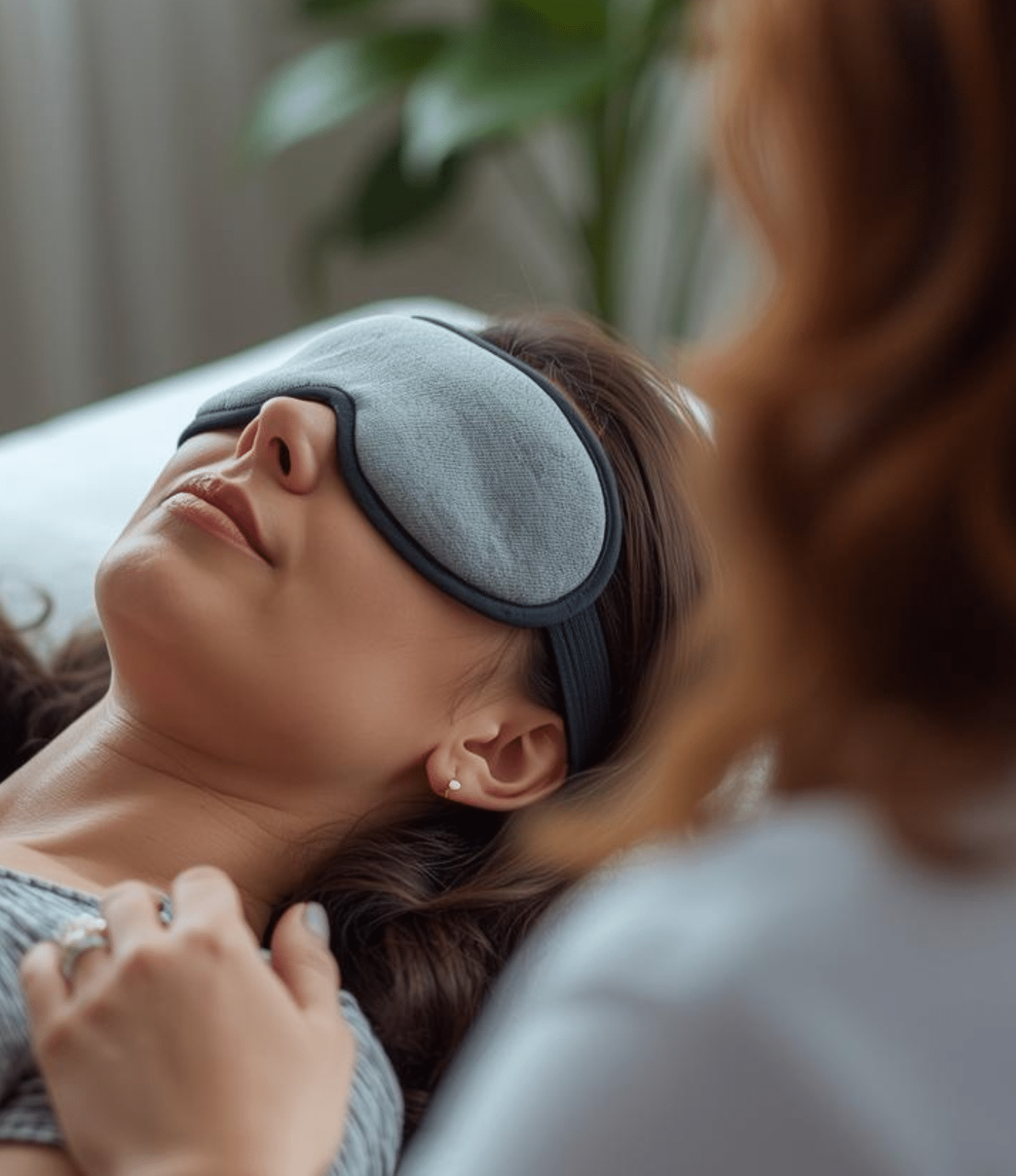
  • You may wear eye shades and/or headphones, reflect inward, and move through a wide range of emotions or insights 
  • Some participants speak during the session; others remain quiet — both are normal 
  • Supportive touch (like holding a hand or touch on the shoulder) is permitted only with prior written consent 
Facilitators do not guide the content of the trip but are trained to ensure safety and emotional support throughout. 
 
3. Integration Sessions 
After the psychedelic experience, you’ll return for one or more sessions to: 
  • Reflect on what came up during the journey 
  • Make sense of insights, emotions, or memories that emerged 
  • Develop ways to apply the experience to everyday life 
 
Integration helps turn the experience into real, lasting growth. It’s considered just as important as the medicine session itself.Psilocybin-assisted therapy is not a quick fix. It’s a process of supported transformation that works best with preparation, guidance, and integration. 
 
TL;DR: It’s a three-part process: preparation, the psilocybin session, and post-session integration. All are required by law and led by licensed facilitators in a supportive setting. 

Is this a new treatment?

Psilocybin-assisted therapy may feel new, but the use of psilocybin is actually very old. 
 
Psilocybin-containing mushrooms have been used for thousands of years in Indigenous healing, ceremonial, and spiritual traditions across the Americas and other parts of the world. What is new is the scientific and clinical research that has emerged over the last few decades and the development of regulated, legal programs like the one in Colorado. 
 
Ancient roots 
  • Indigenous cultures have long worked with psilocybin as a sacred medicine, often guided by traditional healers in ceremonial contexts. 
  • This history is recognized in Colorado’s Natural Medicine Health Act, which emphasizes respect and protection for traditional Indigenous practices. 
 
Modern research and therapy 
  • Clinical studies on psilocybin began in the 1950s and 60s, then paused when psychedelics came to have political and cultural associations during the “War on Drugs.” 
  • Since the early 2000s, research has resumed at top institutions (Johns Hopkins, NYU, UCSF, Imperial College London), showing strong potential for treating depression, anxiety, PTSD, addiction, and more. 
  • In 2018, the FDA granted “Breakthrough Therapy” status to psilocybin for treatment-resistant depression — a sign of its promise as a mental health tool. Breakthrough Therapy should be understood as a designation that allows for expedited process in the FDA’s regulatory program, not that it is a guaranteed miracle cure.   
 
What’s new in Colorado? 
Colorado’s Natural Medicine Program (approved by voters in 2022 and shaped by Senate Bill 23-290) is one of the first statewide efforts to legally regulate supported psilocybin services outside of clinical trials. As of November 2025, Oregon is the only other state with an active public-accessible program, though New Mexico has passed legislation to move in this direction as well.   
 
Key features include: 
  • Licensed facilitators who guide people through preparation, administration, and integration 
  • Safety screening and informed consent 
  • No is diagnosis required. Services can be accessed for healing, growth, or personal insight 
 
This is not a prescription model or a pharmaceutical drug. It’s a supported experience in a legal, licensed setting that’s rooted in both ancient traditions and modern science. 
 
TL;DR: Psilocybin use is ancient, but modern clinical research has reignited interest. Colorado’s program is one of the first legal frameworks for supporting adult use outside trials. 

How many treatments would someone need? Is psilocybin a one-time thing?

It depends. Some people experience meaningful change after just one psilocybin session, while others benefit from multiple sessions over time, especially when supported by preparation and integration. 
 
Unlike daily medications or ongoing talk therapy, psilocybin is often described as a “catalyst”, a powerful experience that can help unlock insight, emotional healing, or behavioral change. However, lasting benefits usually depend on how that experience is integrated into one’s life afterward. 
 
What the research says: 
  • In many clinical trials, participants received 1–2 high-dose sessions with preparation and integration support. 
  • Studies on depression, addiction, and anxiety often show significant improvements after a single session, with benefits lasting weeks or months, and in some cases even longer. 
  • Some people return for additional sessions months later to deepen or reinforce the work, especially if they’re navigating complex life challenges. 
 
In Colorado’s regulated program: 
There is no set number of sessions required. Instead: 
  • You and your licensed facilitator will decide what’s appropriate based on your goals, background, and how you respond to your first experience. 
  • All services must include at least one preparation session and one integration session for every administration session. In fact, this is required by law. 
 
Some participants may: 
  • Do one psilocybin session and feel complete 
  • Return after several months or years for additional support 
  • Choose a series of sessions over time as part of ongoing personal or emotional development 
 
Important to know: 
  • Psilocybin is not a magic cure, and it’s not for everyone. 
  • Lasting change often comes from what you do after the session through self-reflection, life adjustments, or therapy. 
  • Repeated use without proper integration or support may be ineffective or even destabilizing. 
 
Think of psilocybin not as a “treatment plan” with fixed doses, but as a transformational tool that can be used thoughtfully, when the time and support are right. 
 
TL;DR: Many people benefit from one session, but others may do multiple over time. Long-term impact depends more on integration than on number of doses. 

Is this something to combine with talk therapy?

Yes! Psilocybin can be a powerful complement to therapy, especially when used intentionally and with professional support. Many people find that psilocybin-assisted experiences deepen their therapeutic process, help them access emotional material more easily, or break through long-standing blocks. Others may find sufficient growth or healing without the ongoing support of a therapist, though ongoing self-reflection and other practices are highly encouraged.  
 

How therapy and psilocybin work together: 

Before your session (Preparation) 
  • A therapist can help you explore your intentions, clarify what you’d like to address, and prepare emotionally 
  • You can identify potential challenges or internal dynamics to watch for during the session 
 
After your session (Integration) 
  • Therapy becomes a space to unpack insights, emotions, or memories that surfaced 
  • You can process breakthroughs and apply them to your relationships, self-image, or healing journeyPsilocybin is not a replacement for therapy, especially if you’re dealing with trauma, grief, anxiety, or depression. 
  • If you have a therapist, letting them know you’re considering psilocybin can help ensure your care is coordinated and supportive. 
 
Many people describe psilocybin as “opening the door.” Therapy helps people walk through the “door” and stay grounded as you grow. 
 
TL;DR: Yes. Psilocybin often deepens therapeutic work. Therapy before and after can help process the experience and apply insights meaningfully. 

How do I access psilocybin health services in Colorado?

Starting in 2025, adults in Colorado (even if they are not Colorado residents) will be able to legally access psilocybin services through the state’s regulated Natural Medicine Program, but access is limited to specific, licensed settings. 
 
Here’s how it works: 
 

Step 1: Be Eligible 

To participate in regulated psilocybin services in Colorado, you must: 
  • Be 21 years of age or older 
  • Voluntarily choose to participate (no medical diagnosis is required) 
  • Complete a required safety screening with a licensed facilitator 
 

Step 2: Choose a Licensed Facilitator or Healing Center 

Services must be provided by a state-licensed facilitator at a licensed Natural Medicine Healing Center.
 
You can find licensed providers through directories. The state of Colorado maintains a public database of licensed facilitators. 
 
Here are some directories to check out:
  • Colorado state database search for licensed healing centers: https://codor.mylicense.com/NMD_Verification/Search.aspx?facility=Y (search license type: healing center)
  • Colorado state database of licensed facilitators: https://apps2.colorado.gov/dora/licensing/lookup/licenselookup.aspx (search license type: natural medicine)
  • Directory of facilitators: https://list.withalthea.com/
 

Step 3: Participate in the Three-Part Process 

Colorado law requires that all services include: 
  1. Preparation Sessions 
    1. Meet with your facilitator 
    2. Review your intentions, health history, and what to expect 
    3. Ensure psilocybin is appropriate for you 
  2. Administration Session 
    1. This is the guided psilocybin experience 
    2. Held in a safe, supportive, and licensed setting 
    3. The facilitator is present the entire time 
  3. Integration Sessions 
    1. Meet afterward to reflect and process the experience 
    2. Helps you apply insights and ensure psychological stability 
 
These steps are required by law and help maximize safety and benefits. 
 
What you cannot do: 
  • You cannot legally purchase psilocybin from a dispensary or online 
  • You cannot pay someone to guide you unless they are licensed 
  • You cannot access services outside the regulated program and still expect legal protection 
 
TL;DR: Adults 21+ can access psilocybin through licensed facilitators at healing centers. All participants go through screening and guided preparation. 

Subscribe to our newsletter

Get the latest news and articles from the Utah Center for Evidence Based Treatment.