Length
1 hour
CE Credit
Not Available
Recorded
Nov 3, 2022
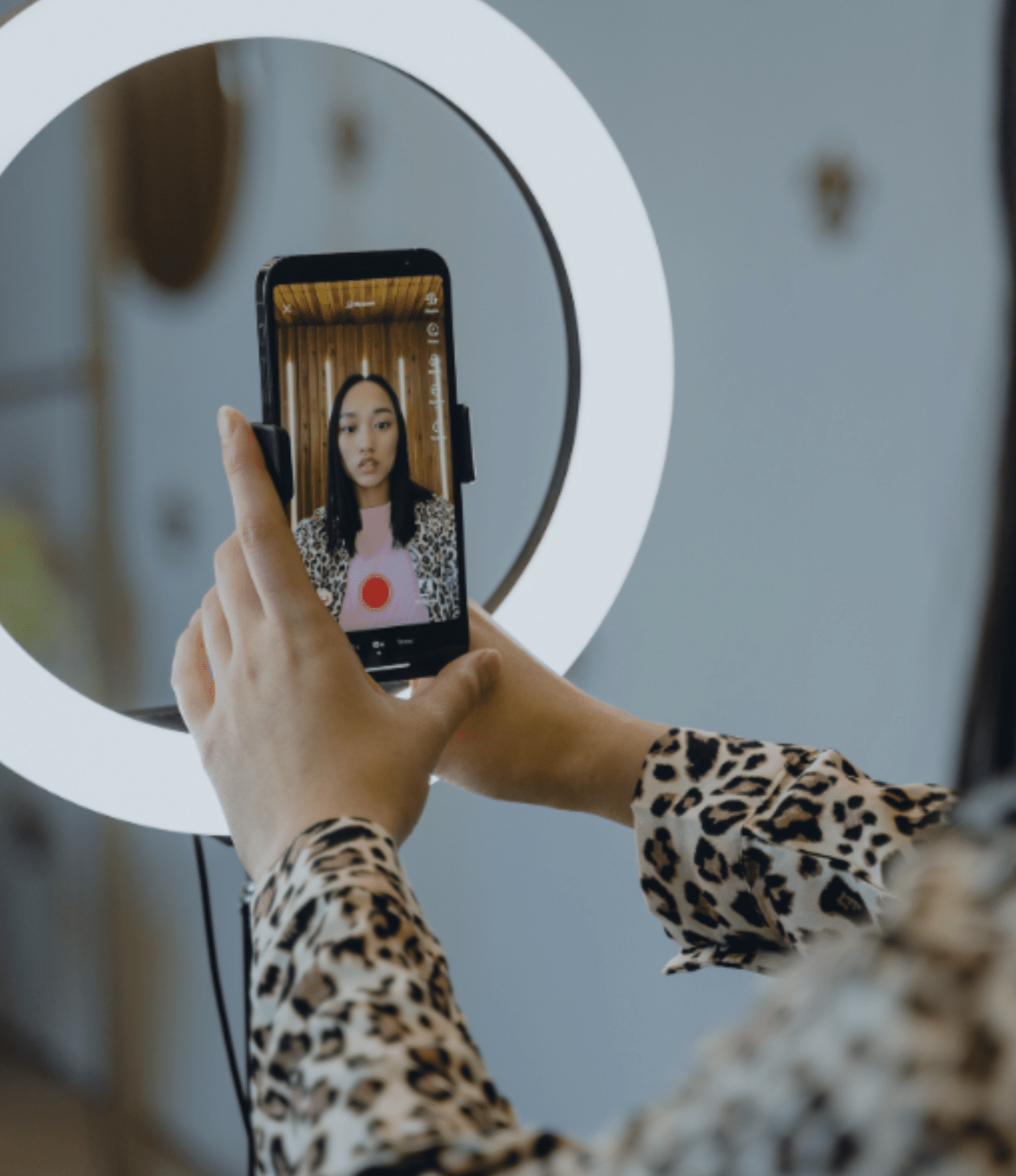
Social media has been a place for people, especially teens and young adults, to have a safe space for connecting with others with aligned interests and perspectives. In recent years, social media creators have centered content on mental health, which has started important conversations in reducing stigma and has enabled others to learn about mental health disorders and get support from peers going through similar experiences. However, social media can be a hotbed for spreading misinformation.
In this talk, we will discuss the current research on the benefits and harms of mental health social media content and how clinicians can balance their ethical responsibilities and the client-practitioner relationship in assessing clients. There will also be a discussion of how clinicians can engage in effective outreach in supporting access to evidence-based, reliable information to teens and young adults searching for help.
There are several ways to learn from this training. You can either watch the recording for free or take the self-paced course for have the slides available to download.
(Free) You can watch the full recording of this training for free on our YouTube Channel. This is perfect if you’re not seeking CE credit or would like to preview the training before taking the course.
Follow along with the recording by downloading the presentation slides personal use.
However, please note that no part of the materials available through the Utah Center for Evidence Based Treatment may be copied, photocopied, reproduced, translated or reduced to any electronic medium or machine-readable form, in whole or in part, without prior written consent of the presenter and creator of the presentation. Contact info@ucebt.com for questions.
At the conclusion of this presentation, attendees should be able to identify the evidence based for how social media use has contributed to diagnostic presentations in adolescents and young adults, and how their ethical obligations intersect with their clinical relationship in supporting individuals obtaining the right help for them.
Learning Objectives

Laura Rowley, PhD is a licensed clinical psychologist. Laura obtained her doctorate from Wayne State University. She completed her APA-accredited internship and postdoctoral fellowship at Primary Children’s Hospital. Laura was the Program Director for the Assessment and Testing Team at Utah Center for Evidence Based Treatment, where she specialized in testing services for neurodiverse children and adults.
American Psychological Association. (2017). Ethical principles of psychologists and code of conduct (2002, amended effective June 1, 2010, and January 1, 2017). https://www.apa.org/ethics/code/
Geidinghagen, A. The tic in TikTok and (where) all systems go: Mass social media induced illness and Munchausen’s by internet as explanatory models for social media associated abnormal illness behavior. Clinical Child Psychology and Psychiatry. 2022.doi.org/10.1177/13591045221098522
Gupta, S, Bhusan, DS, Mahajan, R. The role of social influencers for effective public health communication. 2021. doi: 10.1108/OIR-01-2021-0012.
Olvera, C., Stebbins, G.T., Goetz, C.G., Kompoliti, K. TikTok Tics: A Pandemic Within a Pandemic. Movement Disorders Clinical Practice. 2021; 8(8), 1200-1205. doi.org/10.1002/mdc3.13316
Pringsheim, T., Ganos, C., McGuire, J.F….et al. Rapid onset functional tic-like behaviors in young females during the COVID-19 pandemic. Movement Disorders. 2021; 36(12) 2703-2713. doi.org/10.1002/mds.28778
Yeung, A., Ng., E., AbiJaoude, E. TikTok and Attention-Deficit/Hyperactivity Disorder: A Cross-Sectional Study of Social Media Content Quality. The Canadian Journal of Psychiatry. 2022; doi.org/10.1177/07067437221082854
We have provided expert virtual trainings and self-paced courses for
continuing education credit since 2020 on a variety of evidence-based topics.
The unique mission of UCEBT is to improve the quality of mental health care by enhancing access to comprehensive evidence-based treatments, evaluations, and testing.
Quick Links
Visit Us
Business Address:
170 S 1000 E, Suite 201
Salt Lake City, UT
84102
Business Hours:
Monday
Tuesday
Wednesday
Thursday
Friday
Saturday – Sunday
9:00 am – 7:00 pm
9:00 am – 7:00 pm
9:00 am – 7:00 pm
9:00 am – 6:00 pm
9:00 am – 5:00 pm
Closed
© 2024 Utah Center for Evidenced Based Treatment. Powered by Big Red Jelly.
