Length
2 hours
CE Credit
2.0 units
Recorded
April 15, 2024
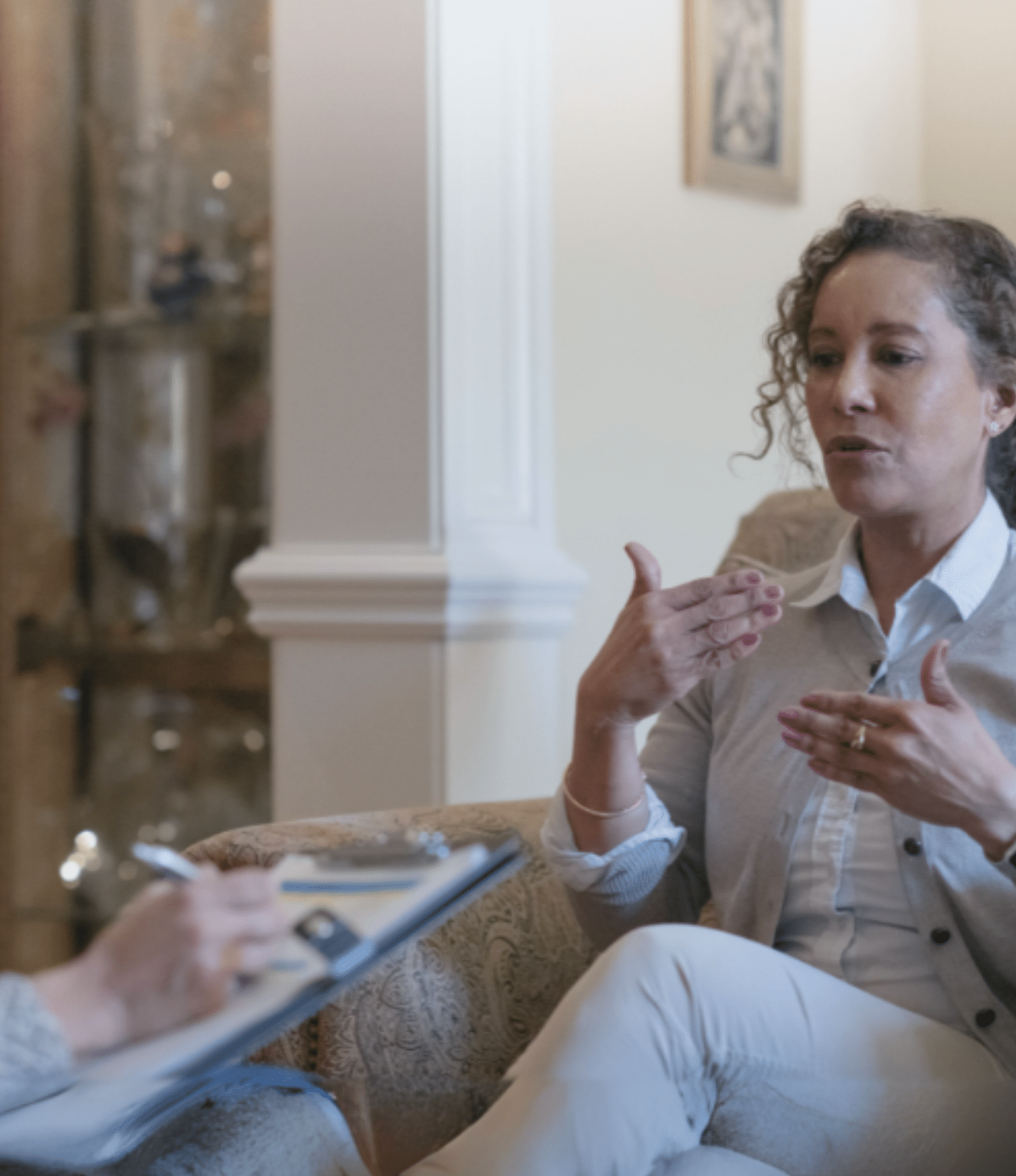
Talking to our clients about their sex lives can feel a bit daunting at first, yet we have evidence to assert that the responsibility lies in the clinician to broach the subject. How do we initiate conversations around sexual functioning, wellness, and concerns with our clients?
This session will identify and explore the importance of clinicians initiating conversations around sex with their clients and practical strategies on how to do so. We will draw from clinical research and evidence-based approaches to support with increasing clinicians’ knowledge and ability to provide sexual education, interventions for common sexual concerns, and resources for further learning.
There are several ways to learn from this training. You can either watch the recording for free or take the self-paced course for CE credit. We also have the slides available to download.
(Free) You can watch the full recording of this training for free on our YouTube Channel. This is perfect if you’re not seeking CE credit or would like to preview the training before taking the course.
($30) You can receive 2 hours of self-paced, asynchronous CE credit for this training.
UCEBT is approved by the American Psychological Association to sponsor continuing education for psychologists. UCEBT maintains responsibility for this program and its content.
Additionally, this presentation is approved for 2 hours of home-study CE credit through NASW-UT, UAMFT, and UMHCA.
Follow along with the recording by downloading the presentation slides personal use.
However, please note that no part of the materials available through the Utah Center for Evidence Based Treatment may be copied, photocopied, reproduced, translated or reduced to any electronic medium or machine-readable form, in whole or in part, without prior written consent of the presenter and creator of the presentation. Contact info@ucebt.com for questions.
At the conclusion of this presentation, attendees should have 1) practical strategies to initiate conversations around sexual health, 2) an increased knowledge-base on how to approach sexual concerns in therapy, including applicable interventions, and 3) increased resources to further their learning and the learning of their clients.
Learning Objectives:

Whitney Standal Schollars, PsyD, “Dr. Whit” is a post-doctoral resident at UCEBT. She received her doctoral degree from George Fox University in Oregon, and completed her clinical training in family medicine, primary care, emergency rooms, and university counseling centers. Dr. Whit has received training and supervised clinical experience from AASECT certified (and soon to be certified) psychologists around sexual education, sexual functioning, sexual concerns and has experience providing these sex-informed therapy to individuals and couples. She has specialty training with supporting concerns of intersection between trauma, sexual identity, sexual concerns, and religious/spiritual traditions.
Coleman, E., Dickenson, J. A., Girard, A., Rider, G. N., Candelario-Pérez, L. E., BeckerWarner, R., Kovic, A. G., & Munns, R. (2018). An integrative biopsychosocial and sex positive model of understanding and treatment of impulsive/compulsive sexual behavior. Sexual Addiction & Compulsivity, 25(2–3), 125–152.
Shapiro, S., & Brown, C. (2018, May 9). Sex education standards across the states. Center for American Progress. www.americanprogress.org/issues/education-k-12 /reports/2018/05/09/450158/sex-education-standards-across-states/
Zeglin, R. J. (2016). Sexual disorders in the DSM-5: Implications for counselors. Journal of Professional Counseling, Practice, Theory, and Research, 43(1), 17–31.
We have provided expert virtual trainings and self-paced courses for
continuing education credit since 2020 on a variety of evidence-based topics.
The unique mission of UCEBT is to improve the quality of mental health care by enhancing access to comprehensive evidence-based treatments, evaluations, and testing.
Quick Links
Visit Us
Business Address:
170 S 1000 E, Suite 201
Salt Lake City, UT
84102
Business Hours:
Monday
Tuesday
Wednesday
Thursday
Friday
Saturday – Sunday
9:00 am – 7:00 pm
9:00 am – 7:00 pm
9:00 am – 7:00 pm
9:00 am – 6:00 pm
9:00 am – 5:00 pm
Closed
© 2024 Utah Center for Evidenced Based Treatment. Powered by Big Red Jelly.
